

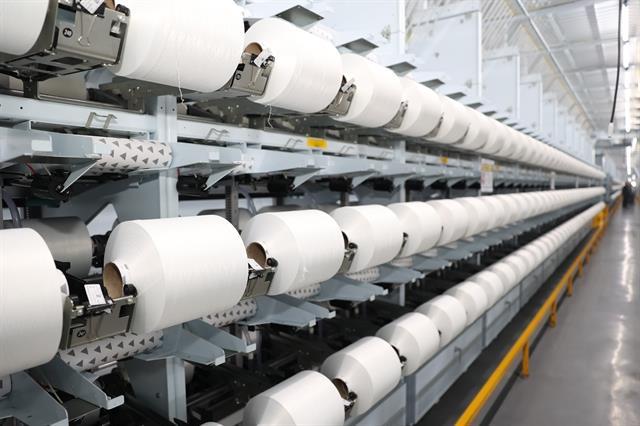
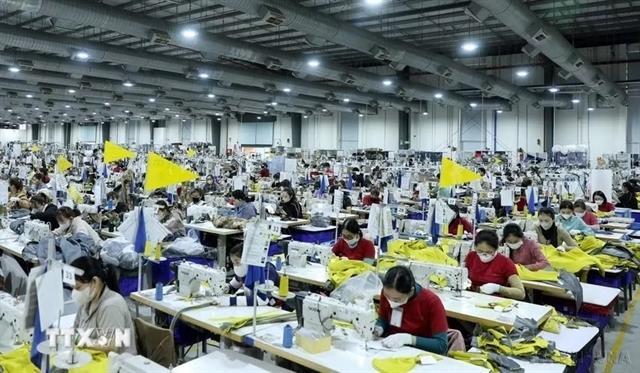

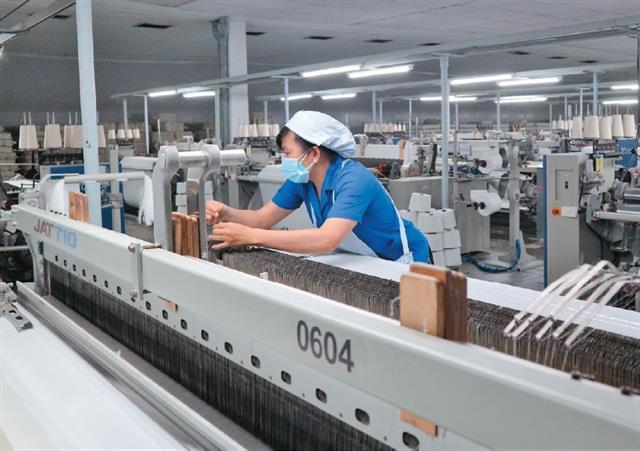

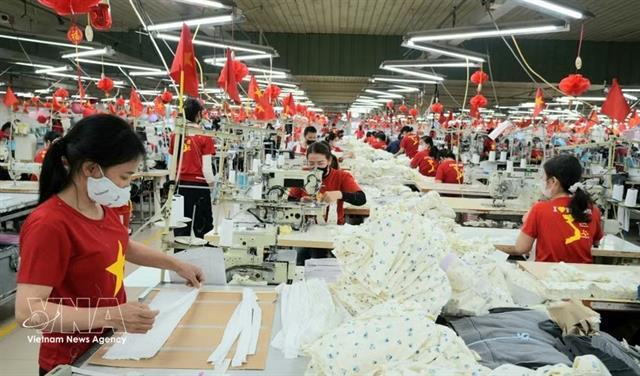
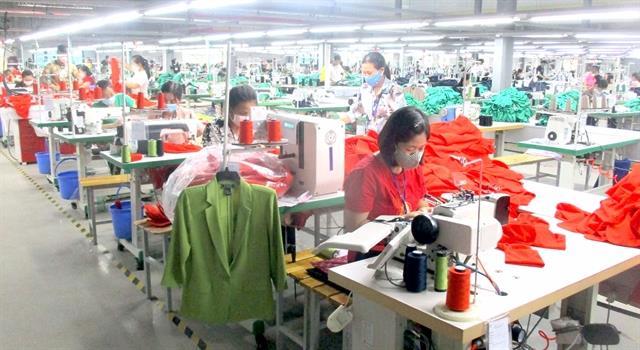
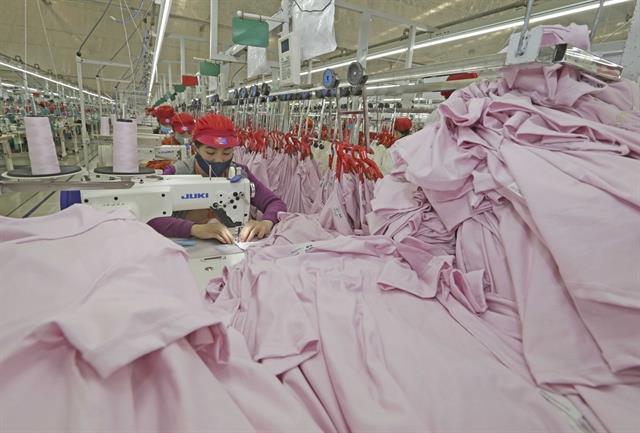


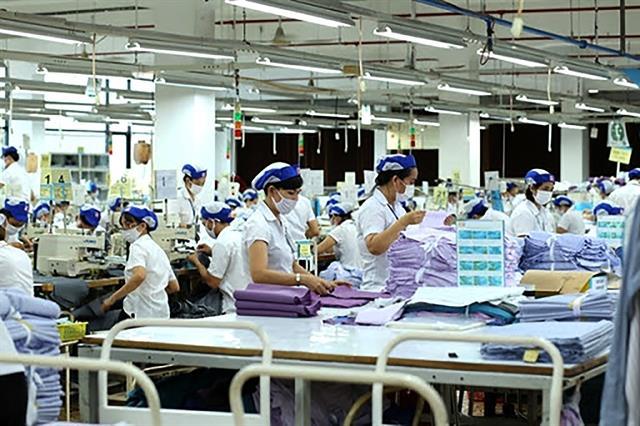
Science and technology, digital transformation and innovation must become key drivers of productivity, product quality and added value, helping the industry strengthen its position in international markets.
Some 400 brands from 11 countries and territories are taking part in the 24th Việt Nam International Textile & Garment Industry Exhibition that opened in HCM City on Wednesday.
Without the measures, imports could rise rapidly at lower prices, putting pressure on domestic producers through price undercutting and price suppression.
Data shows that the textile and garment sector maintained its growth momentum in the first nine months of this year. The industry''s total export turnover reached an estimated US$35.721 billion in the first nine months of this year, up 3.3...
Vinatex expects nine-month pre-tax profit to rise 37.8 per cent year-on-year, putting the group ahead of its full-year profit target despite continued pressure on global textile markets.
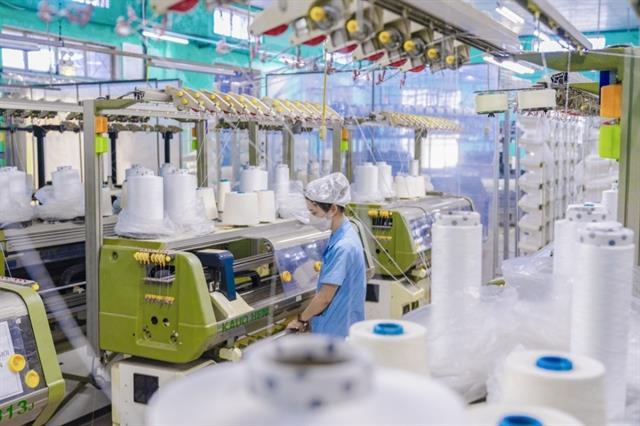
It will bring together domestic and international textile and garment companies to showcase new solutions in automation, digital transformation and green production.
Experts said the US$48-billion target should also be viewed as an opportunity for Việt Nam''s garment and textile industry to improve productivity and increase value added for more sustainable competitiveness.
Textiles and garments are among Việt Nam’s major export categories to the UK and are considered one of the sectors that benefit significantly from the UKVFTA.
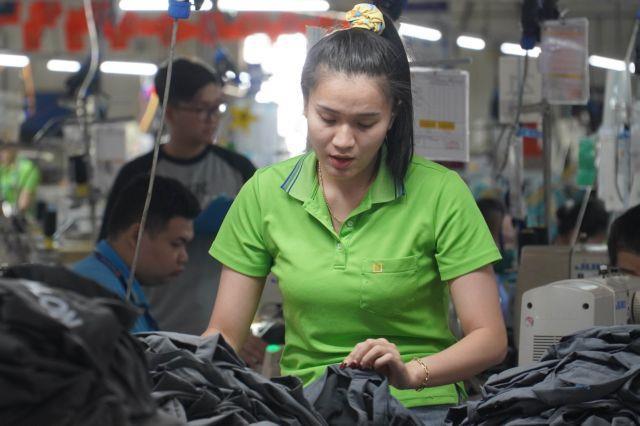
Manufacturers are accelerating investment in automation and digitalisation, but acknowledge that technology cannot yet fully replace human labour in many production stages.
According to the Vietnam Textile and Apparel Association (VITAS), textile and garment exports reached an estimated US$22.2 billion in the first half, up 1.7 per cent from a year earlier.
Deputy Prime Minister Phạm Gia Túc urged textile, garment and footwear industries to accelerate the adoption of science and technology, innovation, digital transformation and e-commerce to improve productivity and product quality, while expanding sustainable manufacturing practices that meet ESG standards.
In the sector’s export structure, garments continued to play a pivotal role, bringing in $8.18 billion, while fiber made up $1.08 billion fabric, $719 million and textile accessories, $382 million.